
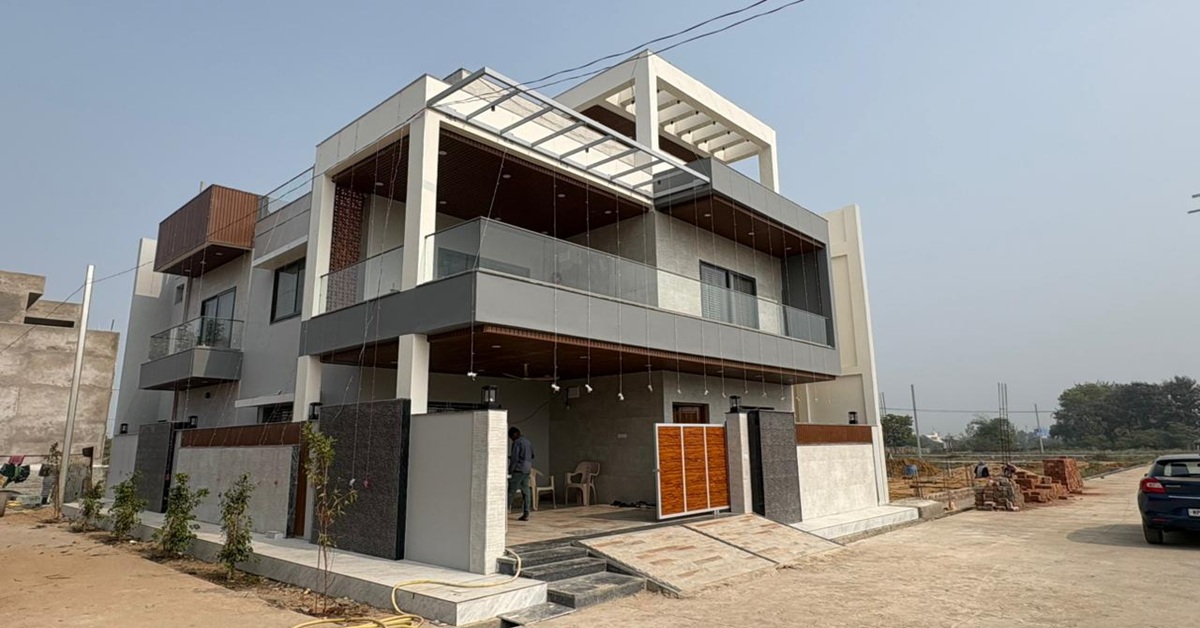
Before beginning a design, an architect in Bhopal must first analyze the site; understanding the site is the most crucial first step for architects in Bhopal to develop their designs. Site analysis provides architects with an understanding of all the elements of the site, the environment, physical aspects, and context, that will influence the eventual design. No matter how creative your designs are, if you fail to conduct a site analysis, you’ll encounter significant issues with respect to construction and long-term building performance.
A thorough site analysis also results in providing architects with the information to make informed decisions that positively impact the functionality, sustainability, and overall performance of the building.
Site Conditions
Each site has unique qualities that affect how the architect will design the building on the site. When an architect in Bhopal is working on a project, they analyze many site characteristics to determine how to best design and configure the building. Some of these site characteristics include plot dimensions, access roads, slope, soil conditions, and adjacent buildings.
By analyzing a site this way, the architect can determine how to place a building, how to design access points, and how to configure open spaces. For example, narrow plot layouts will have to accommodate for a higher design rationale to ensure circulation will function effectively, while corner plots have a great opportunity for better ventilation and access points to the building.
By analyzing the site early on in the project, the architect in Bhopal can avoid potential design conflicts.
Considering Orientation and Sunlight
Orientation of the site is one of the most critical factors in performing an adequate site analysis. The pattern of sunlight during the day will dictate how rooms are arranged and how windows are designed.
In Bhopal’s climate, managing natural light and heat gain is very significant. Therefore, Architects typically place living areas and high-traffic areas where they can utilize natural lighting but minimize heat gain. Then, they place bedrooms, service areas, and circulation in other locations.
Orientation helps to maximize energy efficiency, minimize dependence on artificial lighting, and create indoor comfort throughout the year.
Consideration for Ventilation and Other Environmental Factors
Bhopal has a very warm climate in the summer, with seasonal humidity during the monsoons. As a result, a professional architect will study the direction of the prevailing wind and the air flow pattern to allow for maximum cross ventilation of the building.
Careful window, courtyard and opening placement allow the creation of cross ventilation, which is important in making indoor spaces more comfortable. A site analysis will provide Architect’s with an understanding of noise levels, landscape, and proximity to other buildings that can affect cross ventilation and privacy.
By providing spaces that address the natural environment of Bhopal, Architect’s create spaces that are comfortable throughout the entire year.
Compliance with Rules
Another essential and key element of site analysis is reviewing local building codes. Before producing a building’s design, an architect must review zoning regulations, setbacks, building height restrictions, and floor area ratio (FAR) regulations in the area where a project will be built.
Local codes determine how much of a parcel of land may be developed and what kind of open space must be made available. By understanding these codes beforehand, architects avoid the approval process being held up and are more likely to complete the project as planned.
It is essential for architects in Bhopal to include these regulations into the design stage so there is no wasted time in revising the design after approval.
Infrastructure Planning
Site analysis also allows an architect to better determine where to place critical infrastructure such as water service lines, drainage systems, electrical service, and parking areas. Services must be integrated into the overall design so that they operate efficiently and are easy to use.
By properly analyzing the site, architects can create service areas that will not interfere with structural supports or interior spaces of the buildings. Proper planning improves the long-term maintenance of these services and helps to minimise operational problems.
Closing
Understanding the site is essential for a project’s success through the design phase. Conducting a full site analysis allows an architect from Bhopal to be more conscious of environmental conditions, regulations, and constraints when responding to these challenges.
Planning this way during the early stages of the project will ensure that each final design will be practical, aesthetically pleasing, and responsive to its environment. By completing a full site study early on, architects can create buildings that will be functional and able to withstand the test of time.
Meta description: Learn why every architect in Bhopal begins projects with detailed site analysis to improve design efficiency, ventilation, sunlight planning, and regulatory compliance.